Vision
Local recognition and detection from camera input.
EDGE AI PRODUCT ENGINEERING
Helio deploys vision, speech, and language models across mobile, desktop, and embedded devices—then builds the production software around them.
For product teams · For individual products
iOS · Android · macOS · Embedded Linux · Rockchip
Runs on supported Apple devices
No third-party speech or LLM service in the V1 workflow.
Device evidence
Local inference can reduce cloud dependency, support disconnected operation, and give a product a clearer data boundary. The trade-offs depend on the model, hardware, and architecture.
Local recognition and detection from camera input.
Transcription and intent from an intentional recording.
Extraction and annotation close to the working document.
Mobile, desktop, embedded, and nearby edge runtimes.
What we build
Every engagement starts with the task and the device boundary, then carries the useful result through the product around it.
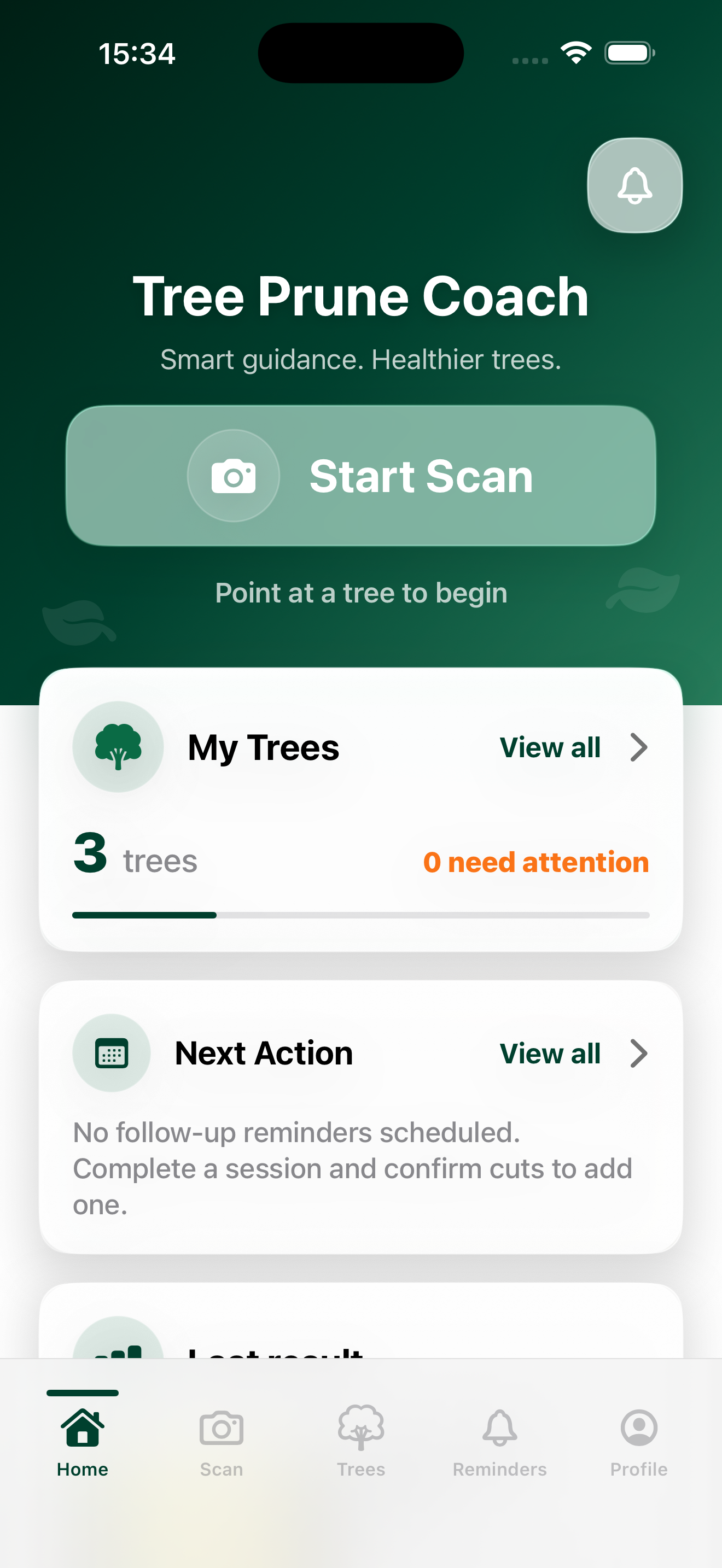
Deploy camera-based recognition and classification on constrained hardware and embedded Linux devices.
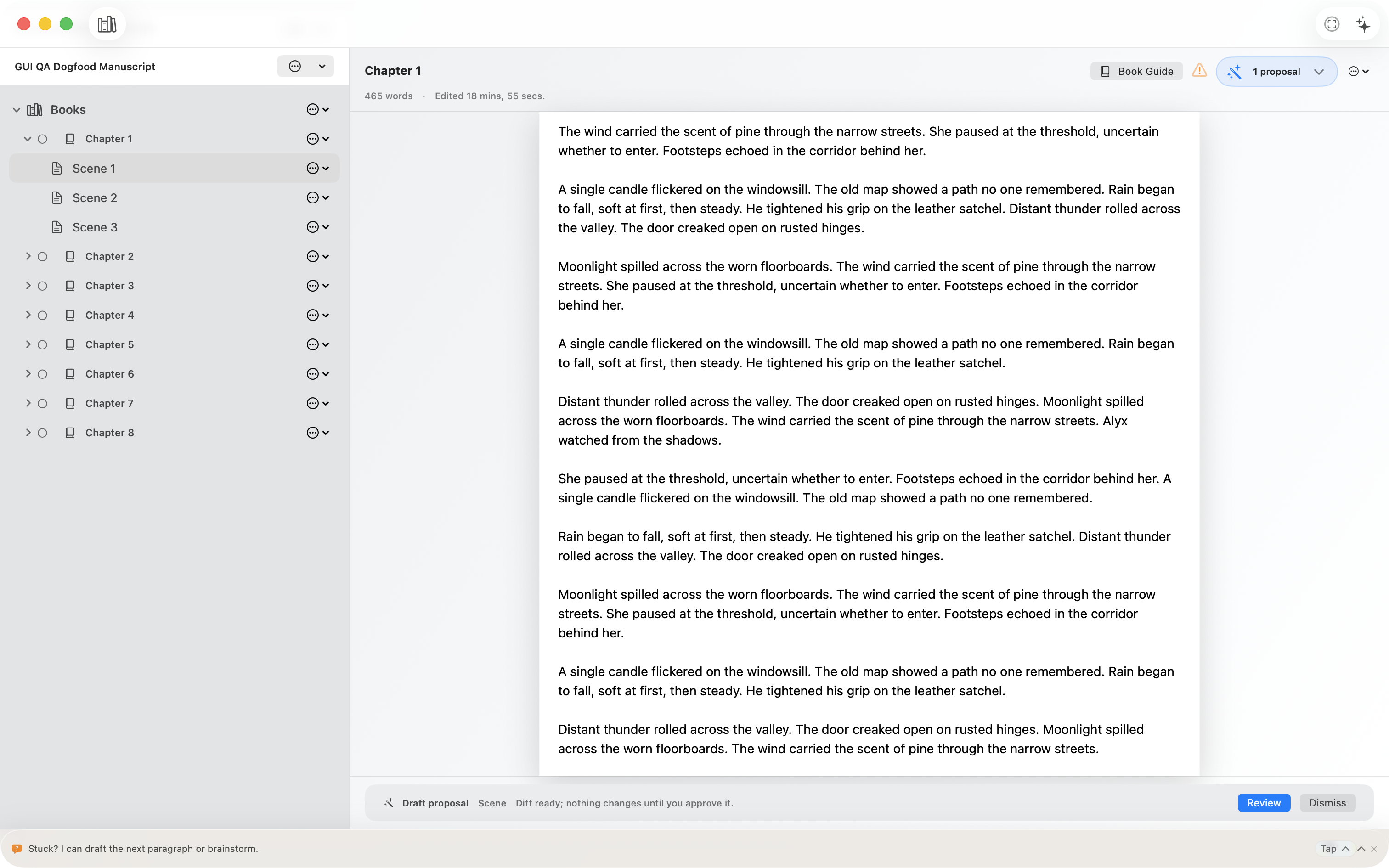
Build native mobile and desktop products around locally executed vision, speech, and language models.
Connect inference to storage, review, synchronization, telemetry, updates, and the product experience required in production.
Product evidence
Our work spans speech, language, vision, mobile applications, desktop software, and embedded targets. The facts below are separated from results we have not yet approved for publication.
Open the app portfolioAnonymous technical case · Evidence to confirm
A camera-led inference path for constrained hardware. The public hardware, runtime, task, and benchmark details are intentionally held until they are approved.
Public product
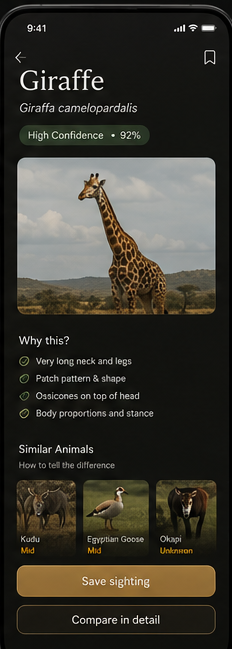
Local visual recognition for a focused wildlife product, with a private field journal and installed destination content for offline use.
Public product
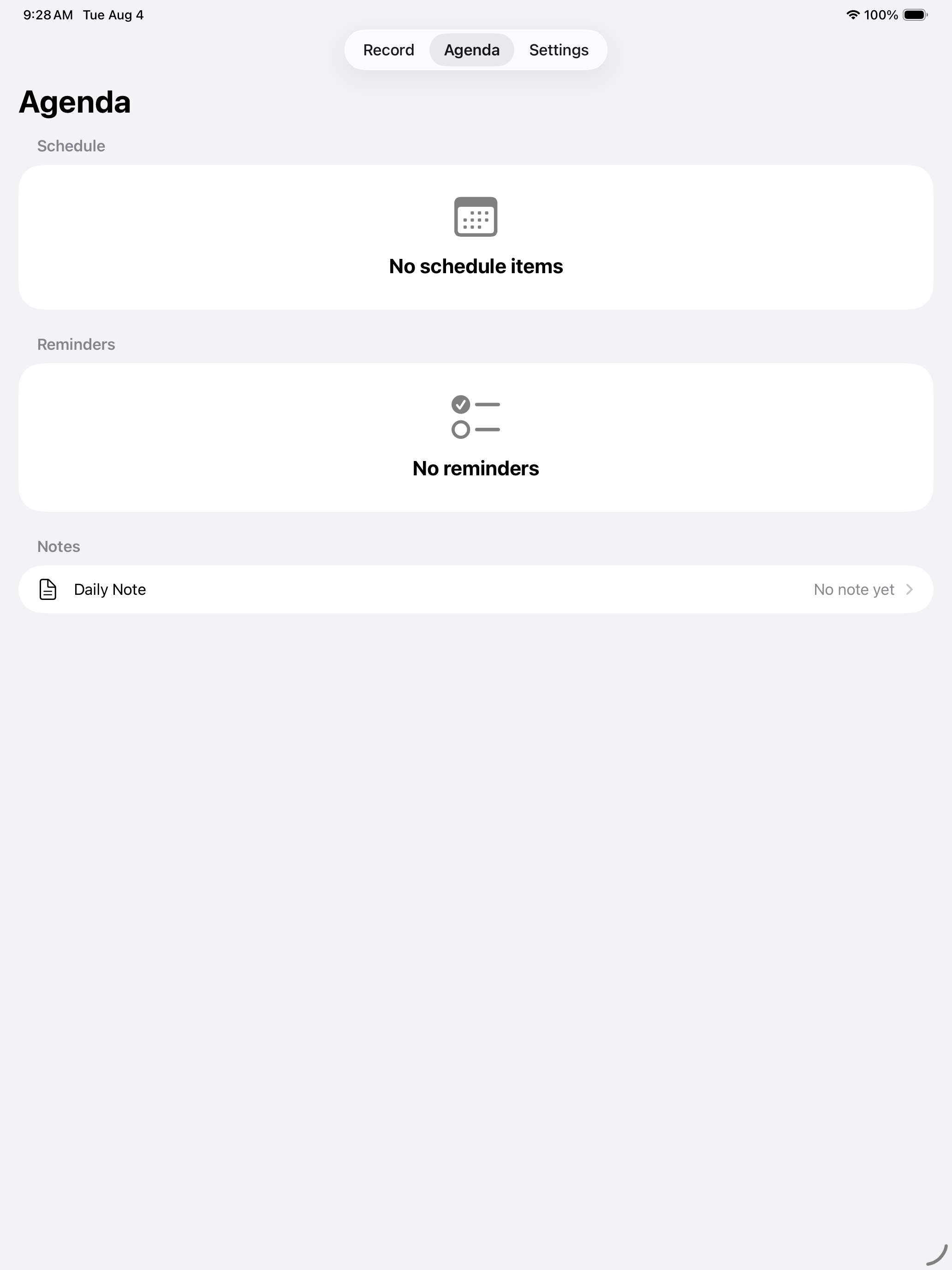
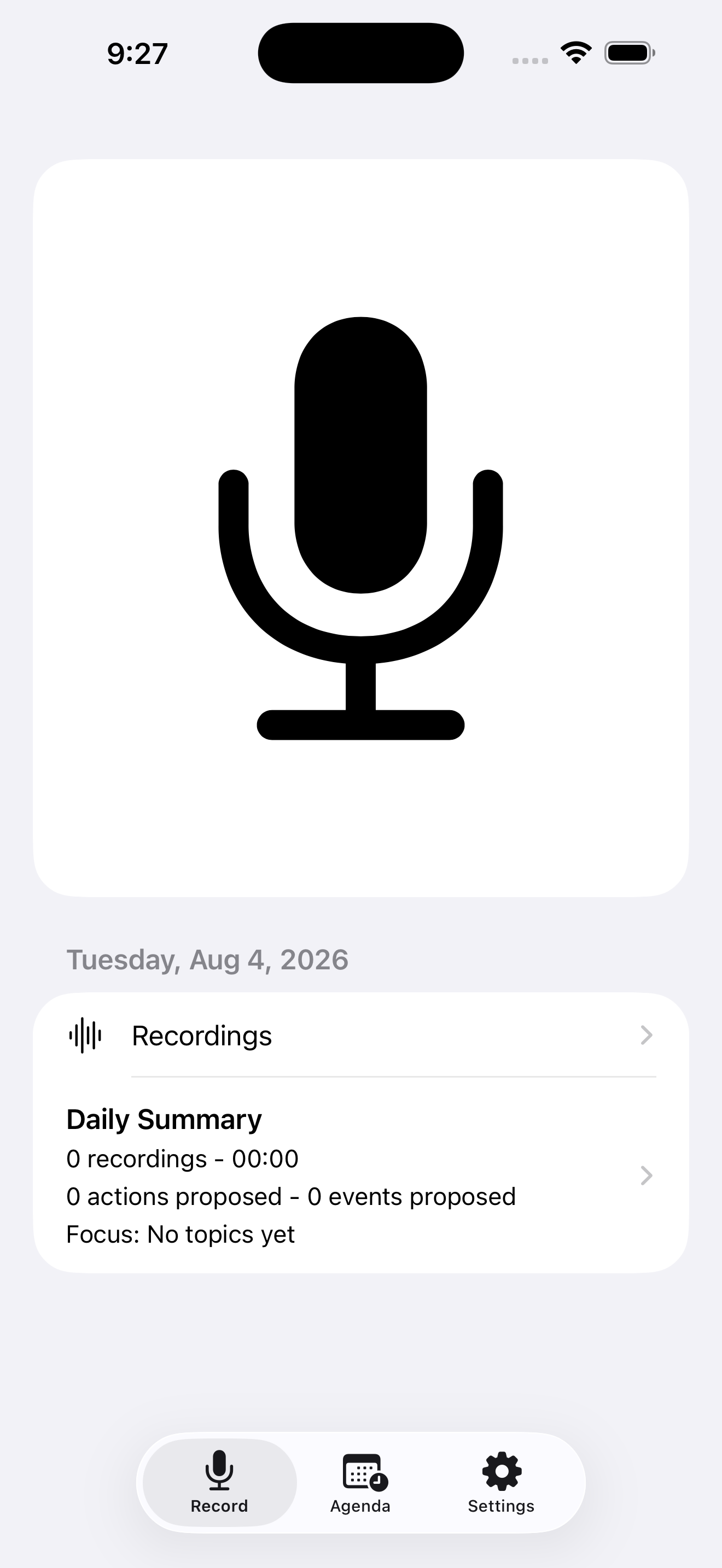
A spoken thought becomes a Daily Note and reviewable actions while the product keeps the user in control of what reaches Calendar or Reminders.
Public product
A native Mac writing workspace that keeps manuscript context, Story Memory, and proposed AI changes close to the project.
Public product
Photo-guided pruning help at the point of capture, with a defined plant set and explicit limits around unsafe work.
Delivery chain
Feasibility, adaptation, product work, and validation are one delivery chain—not four disconnected demos.
Evaluate compatibility, accuracy, latency, memory, throughput, power, and the constraints of the target hardware.
Accuracy · latency · memoryConvert, quantize, replace unsupported operations, and integrate the native or embedded runtime that fits the device.
Conversion · quantization · runtimeAdd input pipelines, local storage, review, synchronization, failure handling, telemetry, and the user experience around the model.
Storage · review · syncTest sustained performance, disconnected behaviour, thermal stability, model quality, and release conditions on representative devices.
Thermal · offline · releaseData boundary
The device can be the primary execution environment. Cloud services can be added for synchronization, fleet management, collaboration, or work that is not practical locally.
We choose the boundary from the job, not from a default architecture.
Release record
A release record starts with five fields: task, input, target device, runtime, and failure state. A model result is only meaningful beside the device that produced it. A vision model headed for an embedded Linux board is a different release than one headed for a phone.
VoiceAgenda V1 uses an explicit recording, Apple Speech where available, and a Daily Note before a Calendar or Reminders change is confirmed. Conversion, quantization, unsupported operations, runtime integration, and hardware profiling belong in the same record as the artifact. Helio does not publish a latency, accuracy, or memory figure on this page without a named device, input set, and repeatable command.
VoiceAgenda speech boundaryField notes
Qualified starting point
Tell us what the system needs to recognize, understand, or generate—and the hardware, connectivity, latency, privacy, or power constraints it must operate within.